House · 6 min read · April 22, 2026
The mainstream fragrance industry has spent the last decade compressing scent creation into briefing decks, algorithmic consumer testing, and three-week production cycles. Lecmo runs in the opposite direction.
What "slow" means in practice
A Lecmo composition is built over months, not weeks. The first sketch of an accord may sit on the perfumer's desk for sixty days before it is touched again. The maturation — the period during which the finished blend rests in glass before being bottled — is measured in weeks, not days. Some natural perfumers work to even longer cycles; the natural perfumer Hélène Aubert, in her Grasse atelier, has spoken publicly about single fragrances that take six months to be born.
We do not work to that extreme. But we refuse the three-week ceiling that mass production demands.
Why time is an ingredient
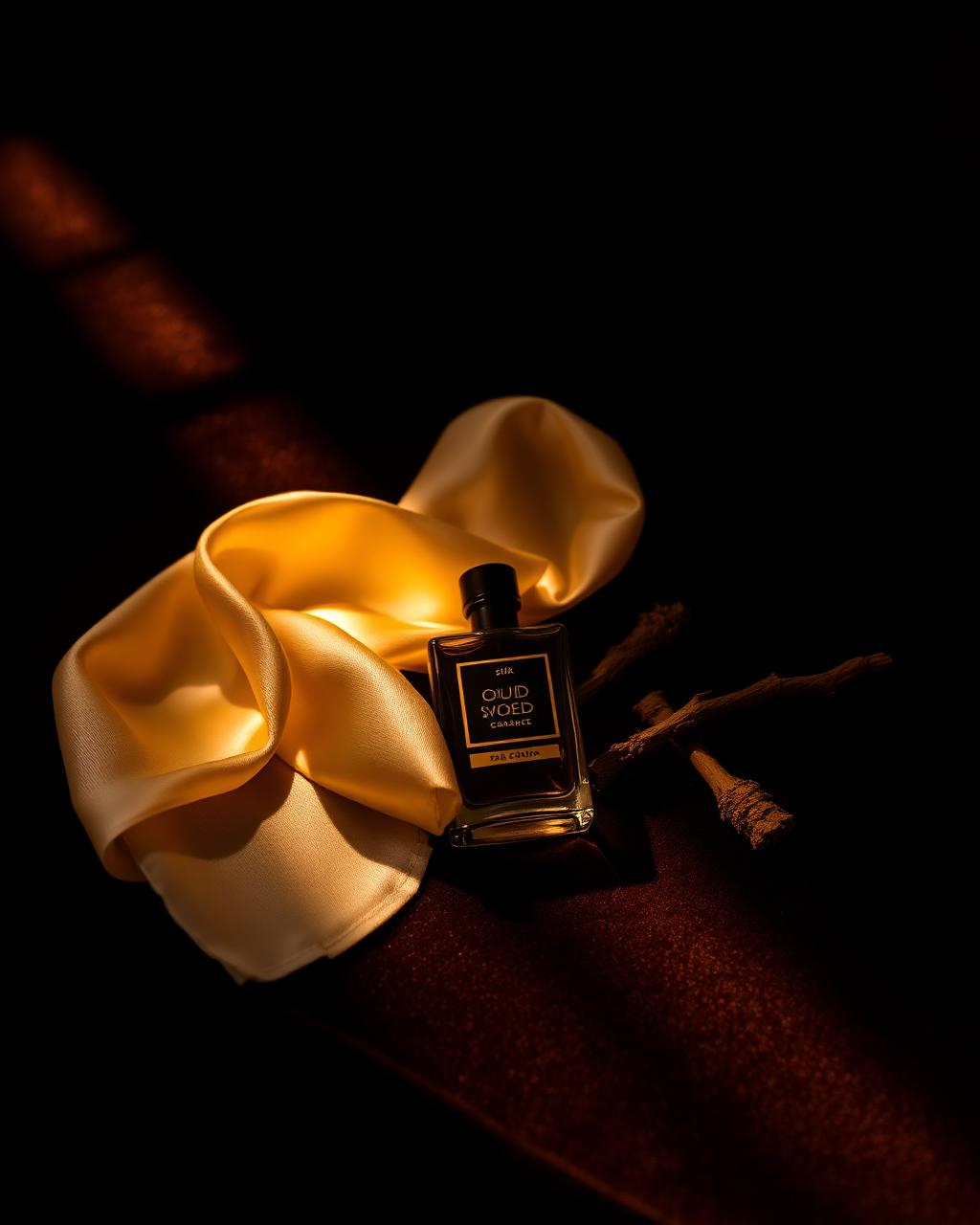
Perfume is a chemistry of patience. When raw materials are first combined, they fight. Top notes scream over base notes. Aldehydes overwhelm florals. Oud, in particular, takes time to settle into the woods around it.
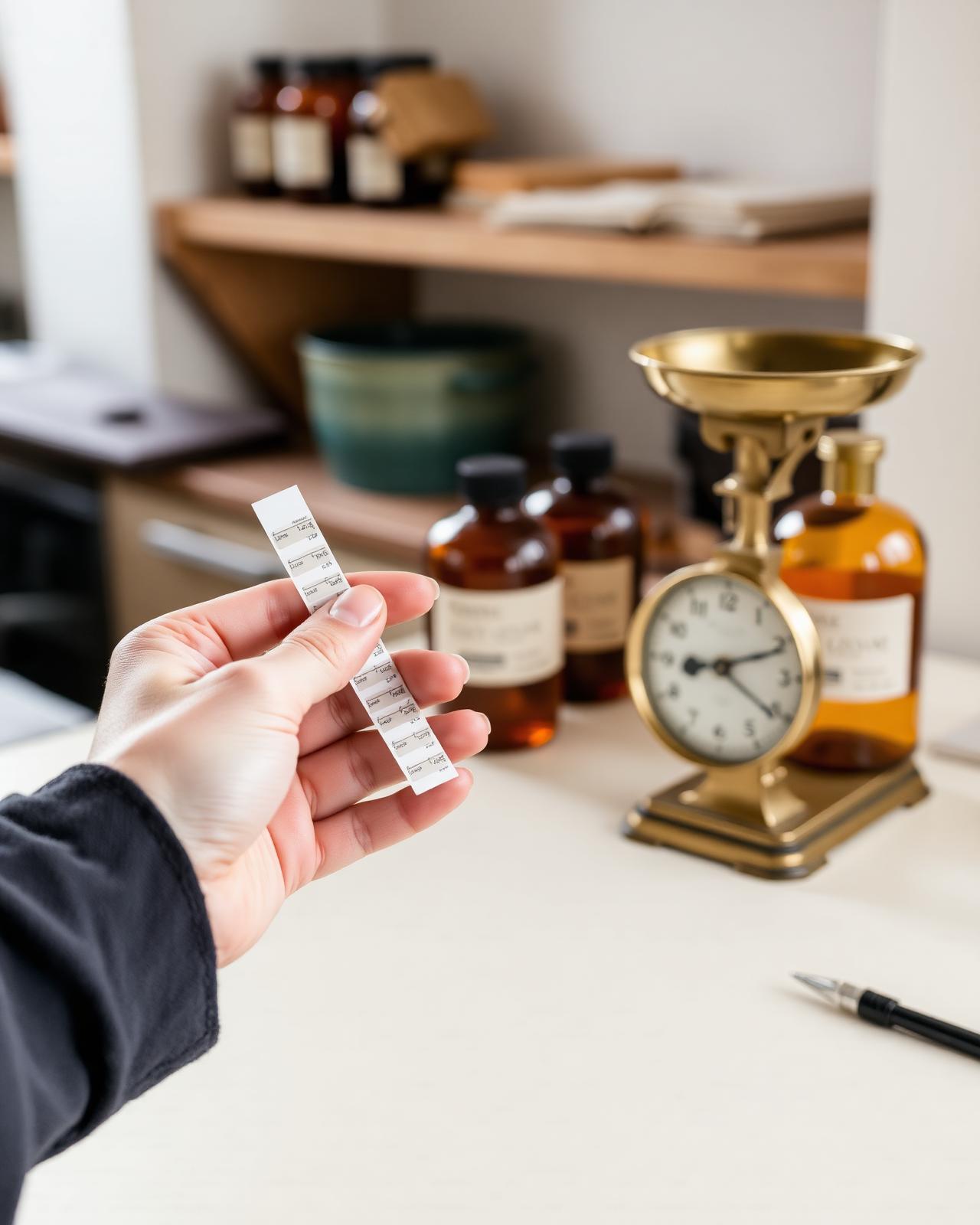
Maceration is the period during which those battles resolve. The longer a composition rests, the more its components agree with each other. A two-week macerated blend smells like ingredients in a bottle. A six-week macerated blend smells like a perfume.
This is not a marketing claim. It is the reason small-batch perfumery consistently outperforms mass production on blind tests of complexity and longevity. The juice is more married. The notes hand off to each other instead of arguing.
The economics of small
Working in small batches is more expensive per bottle. There is no cost advantage to making 200 units instead of 200,000. But small batches allow three things mass production cannot:
- Real materials. When you make less, you can afford better. Real Bulgarian rose absolute. Real aged oud oil. Real ambergris tincture.
- Quality control by hand. Every bottle is checked, capped, and labelled by a person.
- Course correction. If a batch is not right, it does not ship. There is no commitment to a 50,000-unit production run.
Why this matters for you
The Lecmo bottle in your hand was probably made within the last ninety days. It was probably part of a batch of fewer than five hundred. The same hands that mixed it likely also packed it.
This is not nostalgia. It is the only honest way we know to make a perfume worth keeping.